
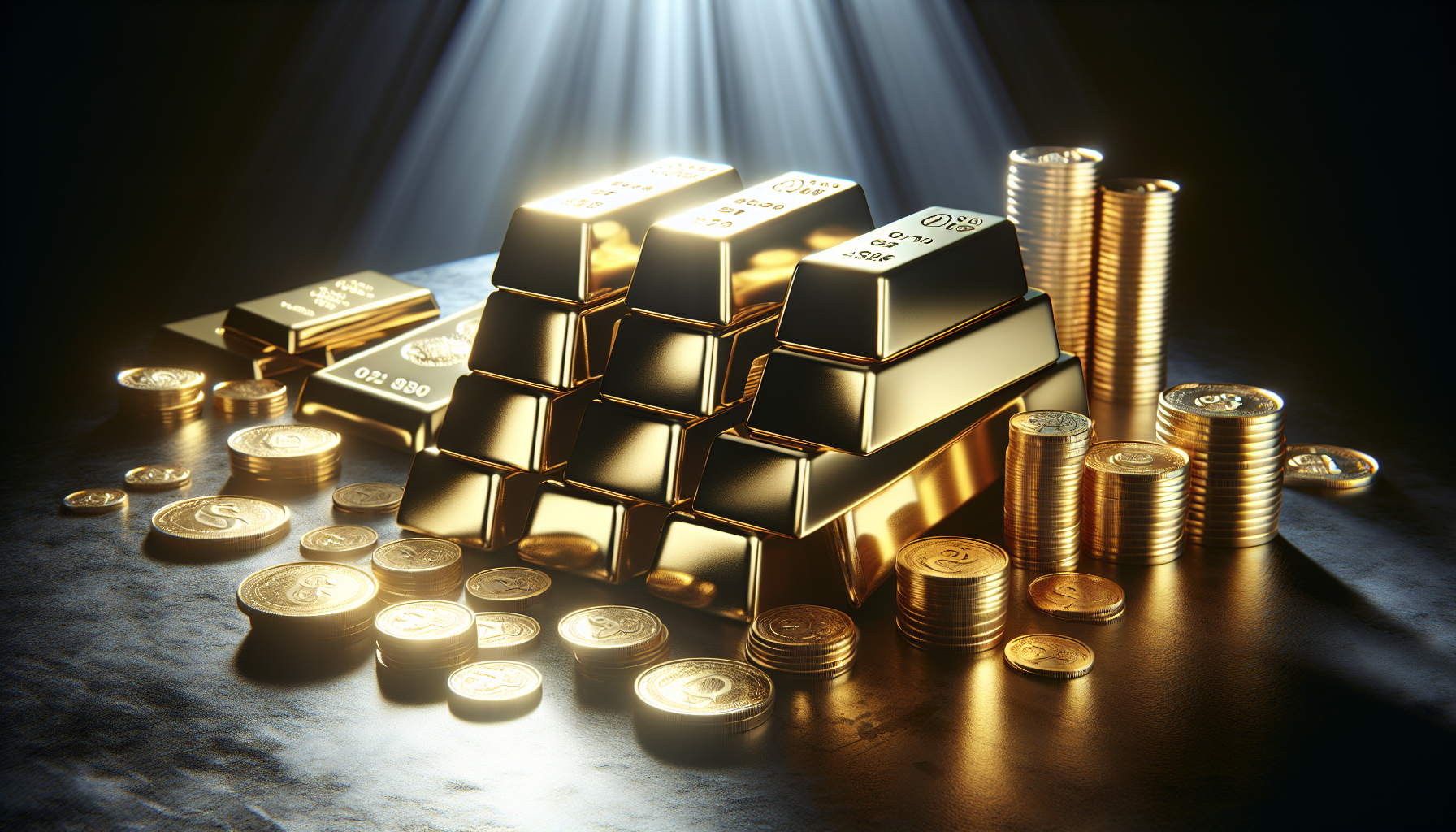
Gold's Demand Engine Hums While the Fed Keeps Its Foot on the Brake
“Fed brakes fail: Gold's engine roars as system buckles”
This headline misses the point. It frames the current situation as a conflict between gold demand and Fed policy, as if the Fed has any real control over the underlying forces driving people into physical metal. The "humming demand engine" isn't just some benign market activity; it's a direct response to the Fed's "foot on the brake" – a desperate attempt to maintain an illusion of stability in a system buckling under its own weight. For your stack, this means the fundamentals are stronger than ever, and any attempt by central banks to manipulate rates only reinforces the need for real assets.
The demand for gold, especially from central banks, isn't humming; it's roaring. Last year, central banks bought over 1,000 tonnes of gold, continuing a 14-year trend of net purchases. This isn't speculation; it's a calculated move by sovereign nations to de-dollarize and hedge against a global financial system that is clearly fractured. Meanwhile, retail demand for physical metal remains robust, with premiums on coins and bars often exceeding spot, signaling that people are increasingly concerned about the purchasing power of their fiat currencies. With spot gold at 4181.1 and silver at 57.31, the market is reflecting a deep-seated distrust in paper promises.
When the Fed keeps its "foot on the brake," it means they're maintaining the Federal Funds rate at a punishing 5.25-5.50%. On the surface, higher rates make non-yielding assets like gold less attractive. But this only works if those rates are genuinely positive after accounting for inflation. With the official CPI still sticky, hovering around 3.5%, and real-world inflation for essentials much higher, the "real" return on cash isn't what they claim. Moreover, the long-term implications of these high rates are devastating for a nation drowning in over $34 trillion of debt. The interest payments alone are becoming unsustainable, pushing the system closer to a breaking point.
The Fed's hawkish stance is a temporary measure, a desperate attempt to regain credibility while the economy slows. This isn't sustainable. Historically, such tight monetary policy, when coupled with exploding national debt and geopolitical instability, has always led to a flight to safety. We saw similar dynamics in the late 1970s, when the Fed aggressively hiked rates to combat inflation, only for gold to surge as people realized the long-term consequences of fiat debasement. Today, the scale of debt is exponentially larger. The Fed can control short-term rates, but they cannot print physical gold or restore faith in a currency they continuously devalue.
What you're witnessing is the physical market slowly but surely exerting its dominance over the paper market. The "demand engine humming" despite high rates is a direct rejection of the Fed's narrative. Keep watching central bank purchasing data and the growing premiums on physical metal. Watch how quickly the Fed is forced to pivot from "foot on the brake" to "foot on the gas" as the debt burden becomes unbearable.
Sources
What does this mean for stackers? Ask Troy. He answers on troystack.ai, three questions a day free, no account needed.
Ask Troy about this


Want Troy's read on your stack?
Track your coins and bars at live spot, ask Troy anything, and with Gold get a morning brief written around what you hold. New to Gold? The first week is free.