
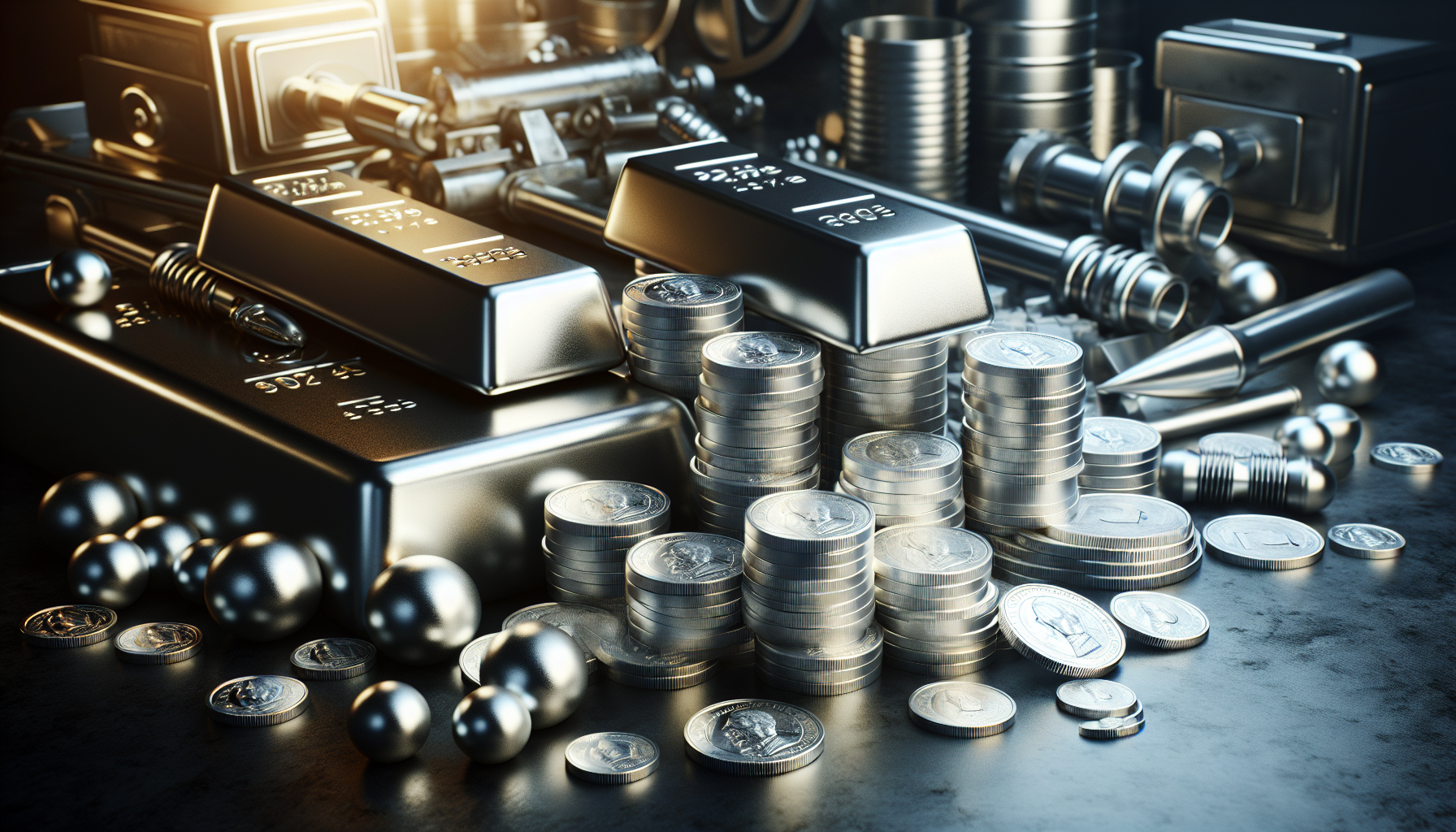
India Tightens Silver Imports: A Strategic Move to Bolster Rupee and Trade Balance
“India”
Forget the mainstream narrative about India just trying to cut their import bill or shore up the rupee. This move, restricting most silver imports after an earlier duty hike, is a flashing red light for anyone paying attention to the physical silver market. What India is telling the world, without explicitly saying it, is that physical silver is critically important, and they need to control its outflow or acquisition. This isn't just a policy tweak; it's a significant demand shock signal that the paper market, currently sitting at 76.33 an oz, isn't adequately pricing in.
India is one of the world's largest consumers of physical silver, soaking up millions of ounces annually for industrial use, jewelry, and investment. When a major player like this suddenly slams the brakes on imports, it doesn't just affect their internal market. It means a substantial portion of global mined silver that would have gone to India will now either be diverted or held off the market. This isn't unprecedented; India has historically taken similar measures with gold, restricting imports during periods of economic stress to manage their current account deficit. Each time, it has underscored the underlying demand for precious metals as a store of value when sovereign currencies or national balance sheets look shaky.
The implications for global physical supply are clear. Less silver heading to India means less available silver overall. While some might argue this frees up supply for Western markets, history shows that such restrictions often lead to increased premiums and a tighter physical market globally. Comex paper contracts can be settled in cash, but real demand requires real metal. We're seeing a policy decision that, in effect, reduces global above-ground physical stock available for immediate purchase. This creates a disconnect between the paper price and the underlying physical reality that stackers understand all too well.
Consider the Gold:Silver ratio, currently around 59.5:1. Such a severe restriction on silver imports from a major demand center could, over time, put upward pressure on silver relative to gold. When a nation feels the need to curb imports of a precious metal, it implicitly acknowledges its value and the pressure its citizens are putting on the system by choosing to hold real assets. This is not about a lack of demand within India; it's about the government trying to manage capital flows in a challenging economic environment, a classic scenario where demand for physical metal typically rises.
Don't be fooled by the relatively flat spot price or any bearish sentiment from the paper traders. This is a foundational shift in physical market dynamics. Your stack holds real wealth, and these kinds of sovereign actions only reinforce the necessity of owning physical metal outside the traditional financial system. Watch closely for rising physical premiums in the coming months, especially for larger denominations.
Sources

Want Troy's analysis personalized to YOUR stack?
TroyStack delivers daily briefings, Troy Chat, portfolio tracking, and price alerts — tuned to the metals you hold.
Download TroyStack