
Strait of Hormuz Reopening Fuels Gold Surge, Complicates Fed Rate Cut Outlook
“Oil drop gives”
The market narrative about the Strait of Hormuz reopening driving today's gold and silver surge is a distraction. That's not the primary catalyst for these moves. The real story is the implication of an oil price drop for the Federal Reserve's rate policy. A sustained decline in oil prices, whether tied to geopolitical de-escalation or not, eases inflationary pressures and gives the Fed the political cover they need to pivot towards rate cuts. This is the market finally starting to price in a more dovish Fed, and that's precisely what bolsters the case for precious metals.
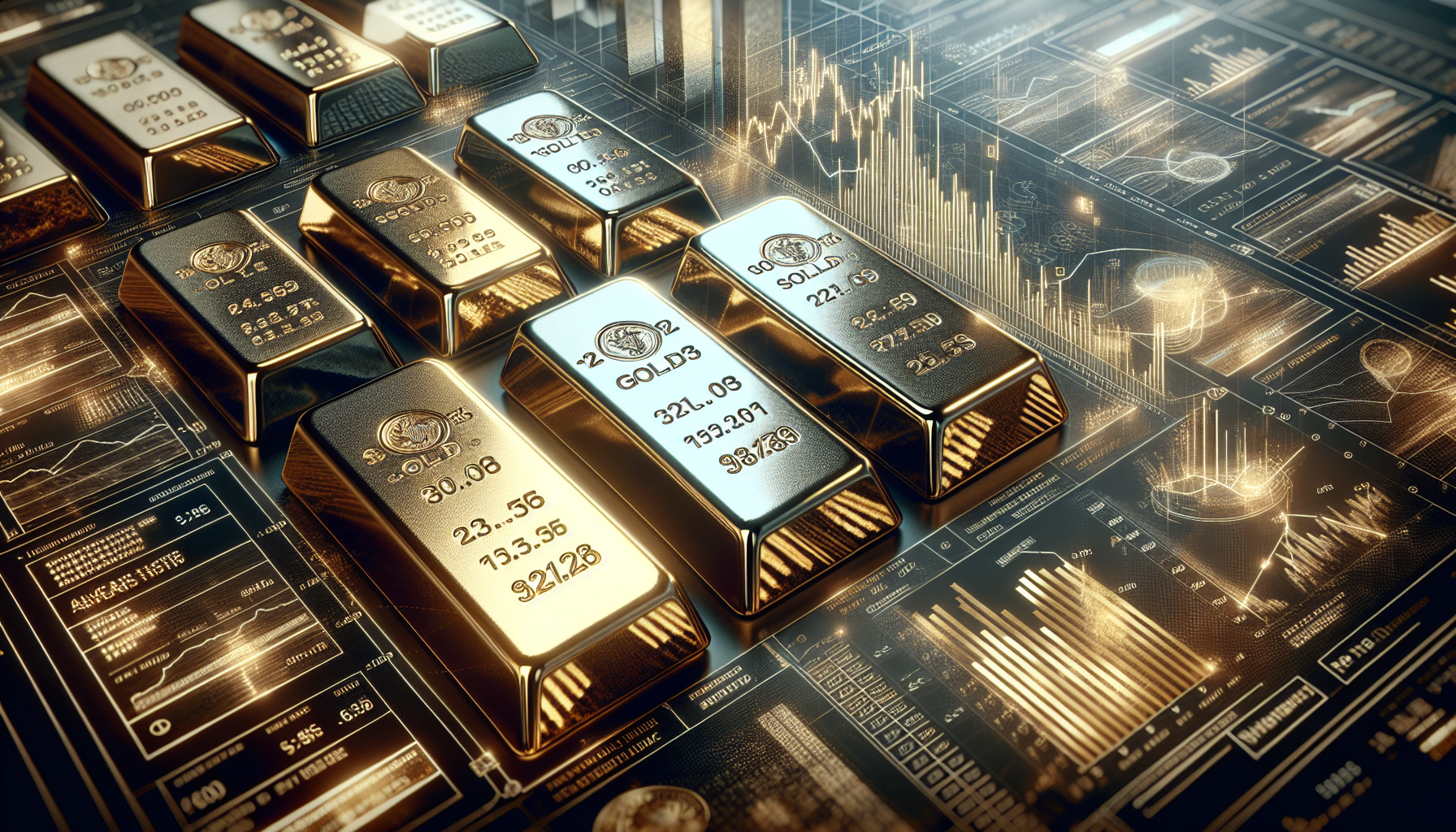
Today saw Comex gold jump a significant $109/oz, pushing it from around $4747/oz to the current $4856.2/oz. Silver, the more volatile cousin, surged even harder by $4.5/oz, moving from roughly $76.63/oz to $81.13/oz. These are substantial single-day moves. Gold hasn't seen a daily gain of this magnitude, pushing past $100/oz in a single session, since the immediate aftermath of the initial COVID-19 lockdowns in March 2020, when the Fed first unleashed its emergency liquidity. Silver's percentage move today is even more impressive, signaling strong conviction in the industrial and monetary metal.
The connection to the Fed's rate options, as Reuters points out, is key. Lower oil prices mean lower headline inflation numbers. This gives the Fed more flexibility to begin cutting interest rates, something the market has been anticipating for months. Lower rates reduce the opportunity cost of holding non-yielding assets like gold and silver, making them more attractive. Furthermore, rate cuts often signal underlying economic weakness or a need for increased liquidity, which historically drives safe-haven demand for physical metal. This isn't just about futures contracts; these moves on the COMEX floor will quickly translate into higher premiums and tighter supply for physical metal at your local coin shop.
For your stack, this confirms the thesis: gold and silver are hedges against monetary policy blunders and the inevitable debasement of fiat currency. When the Fed signals a pivot, or the market forces their hand, precious metals react. The current gold-silver ratio, now sitting around 59.9:1, still favors silver in the long term, but today's surge across both metals is a clear indicator that the market is finally recognizing the fundamental value of sound money in an environment of easing monetary policy. This isn't a temporary blip; it's a recalibration of expectations.
Keep a close eye on upcoming inflation data, particularly the CPI and PPI reports, as well as any fresh commentary from Fed officials. These will provide further clues on the timing and magnitude of future rate cuts.
Sources
- Gold, silver rates today: Comex gold jumps $109/oz, silver surges $4.5/oz as Strait of Hormuz reopens - Mint — Mint
- Gold, silver rates today: Comex gold jumps $109/oz, silver surges $4.5/oz as Strait of Hormuz reopens - Mint — Mint
- Reopened Strait of Hormuz, oil price drop may recast Fed's rate-cut options - Reuters — Reuters


Want Troy's analysis personalized to YOUR stack?
TroyStack delivers daily briefings, Troy Chat, portfolio tracking, and price alerts — tuned to the metals you hold.
Download TroyStack